A preoccupation with the subject of freedom became a core issue in the construction of all modern political ideologies. Here, Wael Abu-'Uksa examines the development of the concept of freedom (hurriyya) in nineteenth-century Arab political thought, its ideological offshoots, their modes, and their substance as they developed the dynamics of the Arabic language. Abu-'Uksa traces the transition of the idea of freedom from a term used in a predominantly non-political way, through to its popularity and near ubiquity at the dawn of the twentieth century. Through this, he also analyzes the importance of associated concepts such as liberalism, socialism, progress, rationalism, secularism, and citizenship. He employs a close analysis of the development of the language, whilst at the same time examining the wider historical context within which these semantic shifts occurred: the rise of nationalism, the power of the Ottoman court, and the state of relations with Europe.
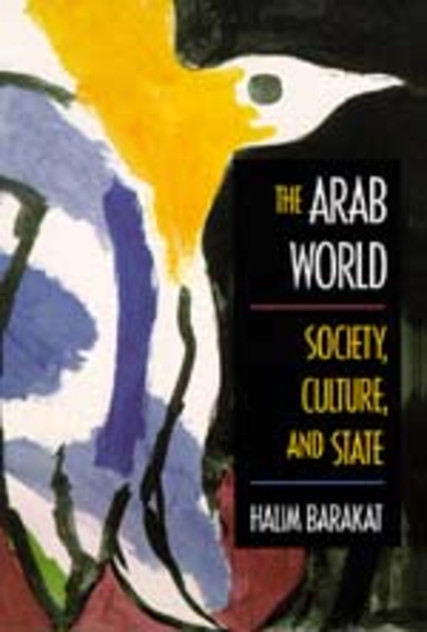
This wide-ranging examination of Arab society and culture offers a unique opportunity to know the Arab world from an Arab point of view. Halim Barakat, an expatriate Syrian who is both scholar and...
In a collection of articles originally published between 1995 and 2011 in Cairo's Al-Ahram Weekly and Ahram Online (as well as in The Guardian and on Salon.com), Egyptian journalist Hani Shukrallah...
FULL REVISED AND EXPANDED SECOND EDITIONThis book is a practical map that will help you understand the people and demystify the culture of the Arab world – the beliefs, values and social structures...