It is a common belief that Australians take little interest in their appearance. Yet from the first white settlement, clothing was of crucial importance to Australians. It was central to the ways class and status were negotiated and equally significant for marking out sexual differences. Dress was implicated in definitions of morality, in the relationship between Europeans and Aboriginal people, and between convict and free. This 1994 book, a history of the cultural practices of dress rather than an account of fashion, reveals the broader historical and cultural implications of clothes in Australia for the first time. It shows that the colonies did not always slavishly follow British fashion, and also looks at the impact of the gold field experience on Australian dress, the nature of local manufacturing and retail outlets, and the way in which rural men and their bush dress, rather than women's dress, became closely related to Australian identity.
The story has two loosely connected narratives; the first is a semi autobiographical yarn about a country boy fresh out of catering college who vamooses off to London to find a future. When the...
Penury into Plenty: Dearth and the Making of Knowledge in Early Modern England is an original examination of cultural meanings of dearth and famine in England at the turn of the sixteenth century. It...
The Zealots Return takes all of the unfinished details: the incomplete stories, the failed relationships, the works in faith, and brings them together in a grand finale that keep the reader at the...
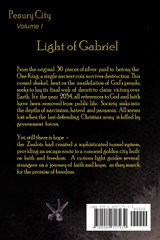
From the original 30 pieces of silver paid to betray the One King, a single ancient coin survives destruction. This cursed shekel, bent on the annihilation of God's people, seeks to lay its final web...