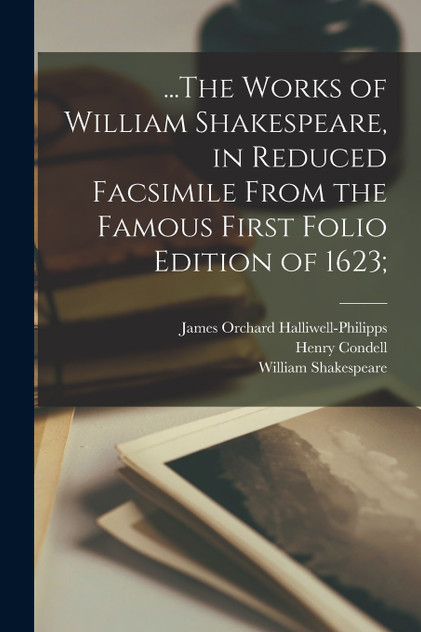
Is a facsimile an edition? In answering this question in relation to Shakespeare, and to early modern writing in general, the author explores the interrelationship between the beginning of the conventional process of collecting and editing Shakespeare's plays and the increasing sophistication of facsimiles. While recent scholarship has offered a detailed account of how Shakespeare was edited in the eighteenth century, the parallel process of the 'exact' reproduction of his texts has been largely ignored. The author will explain how facsimiles moved during the eighteenth and nineteenth century from hand drawn, traced, and type facsimiles to the advent of photographical facsimiles in the mid nineteenth century. Facsimiles can be seen as a barometer of the reverence accorded to the idea of an authentic Shakespeare text, and also of the desire to possess, if not original texts, then reproductions of them.
This exquisite facsimile edition of Shakespeare's Much Ado about Nothing offers a rare glimpse into the world of Elizabethan publishing. The quarto edition, published in 1600, is one of the earliest...
This work has been selected by scholars as being culturally important, and is part of the knowledge base of civilization as we know it. This work was reproduced from the original artifact, and...
This work has been selected by scholars as being culturally important, and is part of the knowledge base of civilization as we know it.This work is in the "public domain in the United States of...