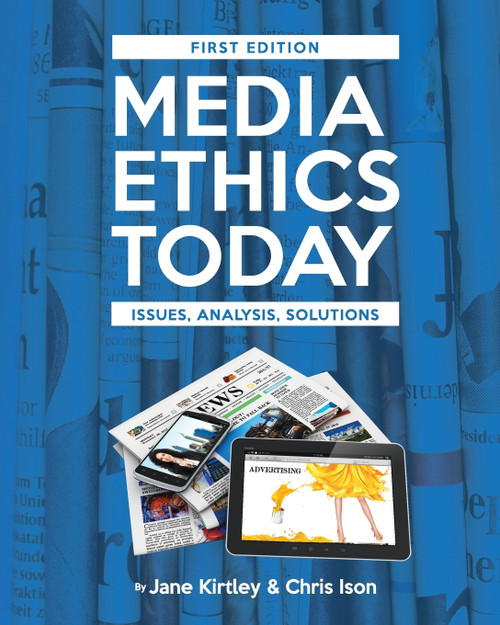
Now revised and containing several new chapters, this book provides a comprehensive set of ethical principles and methods of reasoning for a new era of digital, global media. It describes the turbulent state of media ethics in ordinary language and through clear examples, and provides a pragmatic theory of truth and objectivity for engaged media. Concrete guidelines are articulated for identifying fake news and for reporting responsibly on social media racism, extreme groups, and anti-democratic demagogues, showing how citizens and journalists can work together to detox a polluted public sphere. The book examines global media ethics, where norms guide the reporting of global issues such as climate change and immigration, and considers what constitutes responsible journalism. It will be valuable for both students and practitioners of journalism and media ethics, and can also be used as a citizen's guide for evaluating media reports.
Events such as the phone-hacking scandal, Wikileaks and the Mohammed cartoons controversy have placed ethics of media at the centre of current debates. Media are not only centralised institutions,...
"Should news reporters express political opinions on their personal Twitter accounts? Are advertisements that look like news deceptive or simply creative? How much public relations "spin" is...