This is a book about the improbable: seeking legal relief for pollution in contemporary China. In a country known for tight political control and ineffectual courts, Environmental Litigation in China unravels how everyday justice works: how judges make decisions, why lawyers take cases, and how international influence matters. It is a readable account of how the leadership's mixed signals and political ambivalence play out on the ground - propelling some, such as the village doctor who fought a chemical plant for more than a decade, even as others back away from risk. Yet this remarkable book shows that even in a country where expectations would be that law wouldn't much matter, environmental litigation provides a sliver of space for legal professionals to explore new roles and, in so doing, probe the boundary of what is politically possible.
The rise of China's economy has led to a substantial increase in disputes involving intellectual property rights, including patents. Not only are foreign companies suing domestic companies and vice...
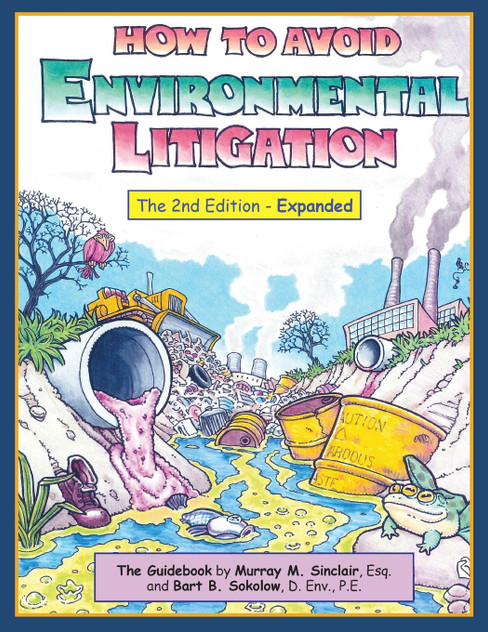
How to Avoid Environmental Litigation is a pragmatic book. Environmental issues are described here in an easy-to-understand manner. Yet, there is enough meat on the bone to understand the...
Administrative litigation systems are a rapidly developing legal field in many countries. This book provides a comparative study of the administrative litigation systems in China, Hong Kong, Taiwan...