This book provides a new approach to the historical treatment of indigenous peoples' sovereignty and property rights in Australia and New Zealand. By shifting attention from the original European claims of possession to a comparison of the ways in which British players treated these matters later, Bain Attwood not only reveals some startling similarities between the Australian and New Zealand cases but revises the long-held explanations of the differences. He argues that the treatment of the sovereignty and property rights of First Nations was seldom determined by the workings of moral principle, legal doctrine, political thought or government policy. Instead, it was the highly particular historical circumstances in which the first encounters between natives and Europeans occurred and colonisation began that largely dictated whether treaties of cession were negotiated, just as a bitter political struggle determined the significance of the Treaty of Waitangi and ensured that native title was made in New Zealand.
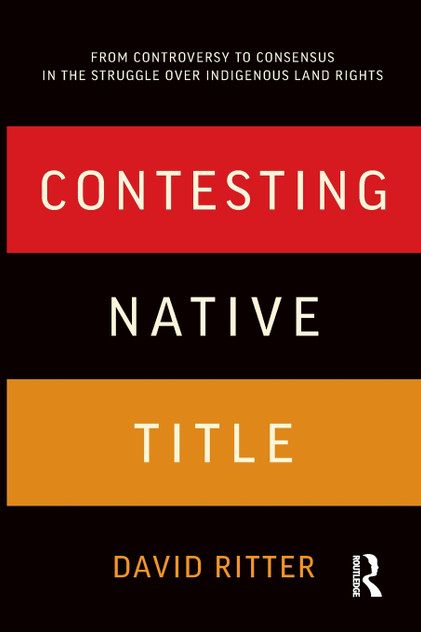
'This book debunks in spectacular fashion some of the most treasured, over-inflated claims of the benefits of native title.'Professor Mick Dodson, ANU Centre for Indigenous Studies'David Ritter's...
The papers in this collection reflect on the various social effects of native title. In particular, the authors consider the ways in which the implementation of the Native Title Act 1993 (Cwlth), and...
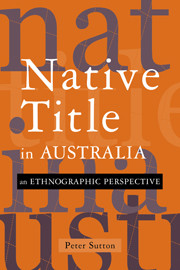
The Australian Federal Native Title Act 1993 marked a revolution in the recognition of the rights of Australia's Indigenous peoples. The legislation established a means whereby Indigenous Australians...