Trending Bestseller

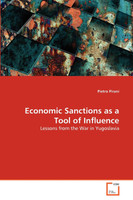
Economic Sanctions as a Tool of Influence

Pietro Pirani

No reviews yet Write a Review
Paperback / softback
07 November 2010
RRP: $78.69
$63.00
Ships in 3-5 business days
Hurry up! Current stock:
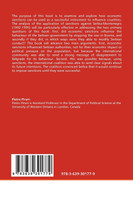
The purpose of this book is to examine and explore how economic sanctions can be used as a successful instrument to influence countries. The analysis of the application of sanctions against Serbia-Montenegro (1992-1995) will be particularly effective in addressing the two primary questions of this book: first, did economic sanctions influence the behaviour of the Serbian government by stopping the war in Bosnia, and secondly if they did, in which ways were they able to modify Serbian conduct? This book will advance two main arguments. First, economic sanctions influenced Serbian authorities, not for their economic impact or political pressure on the population, but because the international community was able to send a strong message of disagreement to Belgrade for its behaviour. Second, this was possible because, using sanctions, the international coalition was able to send clear signals about its future intentions. The coalition convinced Serbia that it would continue to impose sanctions until they were successful.

This product hasn't received any reviews yet. Be the first to review this product!

RRP: $78.69
$63.00
Ships in 3-5 business days
Hurry up! Current stock:

Economic Sanctions as a Tool of Influence

RRP: $78.69
$63.00

Description

The purpose of this book is to examine and explore how economic sanctions can be used as a successful instrument to influence countries. The analysis of the application of sanctions against Serbia-Montenegro (1992-1995) will be particularly effective in addressing the two primary questions of this book: first, did economic sanctions influence the behaviour of the Serbian government by stopping the war in Bosnia, and secondly if they did, in which ways were they able to modify Serbian conduct? This book will advance two main arguments. First, economic sanctions influenced Serbian authorities, not for their economic impact or political pressure on the population, but because the international community was able to send a strong message of disagreement to Belgrade for its behaviour. Second, this was possible because, using sanctions, the international coalition was able to send clear signals about its future intentions. The coalition convinced Serbia that it would continue to impose sanctions until they were successful.

Customers Also Viewed