Trending Bestseller

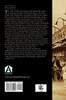
Dividing the Nile

David E. Mills

No reviews yet Write a Review
Hardback
376 Pages
$102.00
Ships in 3-5 business days
Hurry up! Current stock:
Most scholarship has attributed Sudanese independence in 1956 to British dominance of the Condominium, historical animosity toward Egypt, or the emergence of Sudanese nationalism. Dividing the Nile counters that Egyptian entrepreneurs failed to develop a united economy or shared economic interests, guaranteeing Egypt's 'loss' of the Sudan. It argues that British dominance of the Condominium may have stymied initial Egyptian efforts, but that after the First World War Egypt became increasingly interested in and capable of economic ventures in the Sudan.
However, early Egyptian financial assistance and the seemingly successful resolution of Nile waters disputes actually divided the regions, while later concerted efforts to promote commerce and acquire Sudanese lands failed dismally. Egyptian nationalists simply missed opportunities of aligning their economic future with that of their Sudanese brethren, resulting in a divided Nile valley.
Dividing the Nile will appeal to historians, social scientists, and international relations theorists, among those interested in Nile valley developments, but its focused economic analysis will also contribute to broader scholarship on nationalism and nationalist theory.

This product hasn't received any reviews yet. Be the first to review this product!

$102.00
Ships in 3-5 business days
Hurry up! Current stock:

Dividing the Nile

$102.00

Description

Most scholarship has attributed Sudanese independence in 1956 to British dominance of the Condominium, historical animosity toward Egypt, or the emergence of Sudanese nationalism. Dividing the Nile counters that Egyptian entrepreneurs failed to develop a united economy or shared economic interests, guaranteeing Egypt's 'loss' of the Sudan. It argues that British dominance of the Condominium may have stymied initial Egyptian efforts, but that after the First World War Egypt became increasingly interested in and capable of economic ventures in the Sudan.
However, early Egyptian financial assistance and the seemingly successful resolution of Nile waters disputes actually divided the regions, while later concerted efforts to promote commerce and acquire Sudanese lands failed dismally. Egyptian nationalists simply missed opportunities of aligning their economic future with that of their Sudanese brethren, resulting in a divided Nile valley.
Dividing the Nile will appeal to historians, social scientists, and international relations theorists, among those interested in Nile valley developments, but its focused economic analysis will also contribute to broader scholarship on nationalism and nationalist theory.

Customers Also Viewed