This is a major survey of how towns were governed in late Stuart and early Hanoverian England. A new kind of politics emerged out of England's Civil War: partisan politics. This happened first in the corporations governing the towns, and not at Parliament as is usually argued. Based on an examination of the records of scores of corporations, this book explains how war unleashed a cycle of purge and counter-purge which continued for decades. It also explains how a society that feared a system of politics based on division found the means to absorb it peacefully. As conflict sharpened in communities everywhere, local competitors turned to the court of King's Bench to resolve their differences. In doing so, they prompted the court to develop a new body of law that protected local governments from the divisive impulses within them.
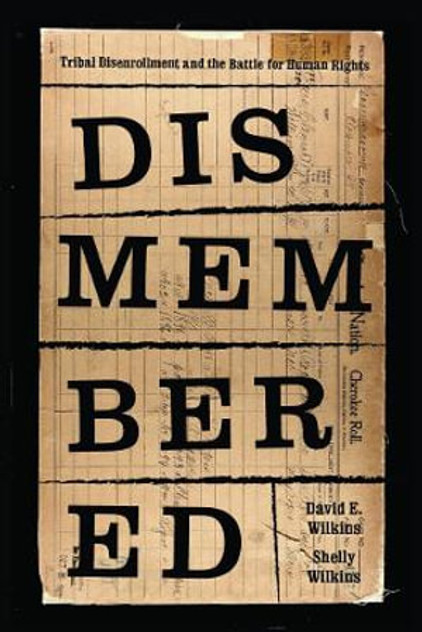
While the number of federally recognized Native nations in the United States are increasing, the population figures for existing tribal nations are declining. This depopulation is not being...
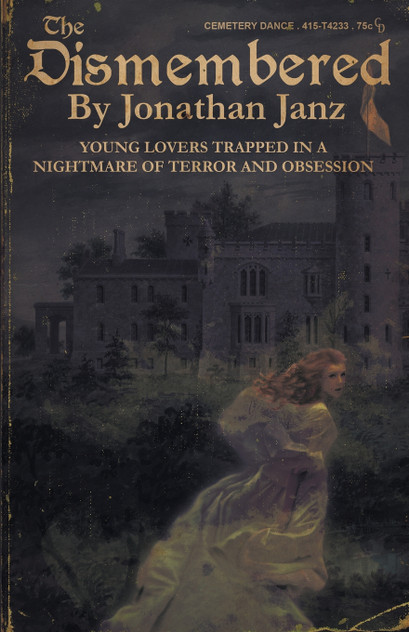
In the spring of 1912, American writer Arthur Pearce is reeling from the wounds inflicted by a disastrous marriage and the public humiliation that ensued. But his plans to travel abroad, write a new...
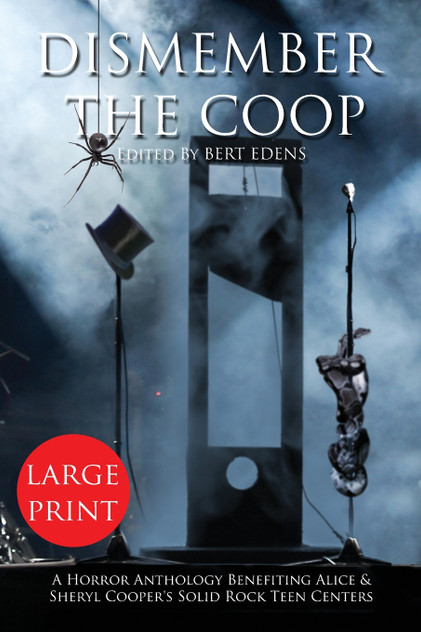
This is the large print edition of a horror anthology based on the music of Alice Cooper. It contains horror short stories from authors based in three countries and two continents. All proceeds from...
The Book of Judges ends with a bizarre narrative of sex and violence that starts with a domestic tiff and ends with the decimation of a tribe that is restored by means of abduction and rape. Cynthia...