Demography in Archaeology, first published in 2006, is a review of current theory and method in the reconstruction of populations from archaeological data. Starting with a summary of demographic concepts and methods, the book examines historical and ethnographic sources of demographic evidence before addressing the methods by which reliable demographic estimates can be made from skeletal remains, settlement evidence and modern and ancient biomolecules. Recent debates in palaeodemography are evaluated, new statistical methods for palaeodemographic reconstruction are explained, and the notion that past demographic structures and processes were substantially different from those pertaining today is critiqued. The book covers a wide span of evidence, from the evolutionary background of human demography to the influence of natural and human-induced catastrophes on population growth and survival. This is essential reading for any archaeologist or anthropologist with an interest in relating the results of field and laboratory studies to broader questions of population structure and dynamics.
This book presents and develops the basic methods and models that are used by demographers to study the behaviour of human populations. The procedures are clearly and concisely developed from first...
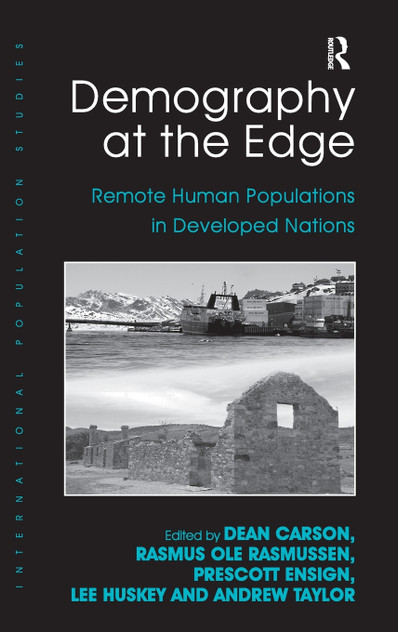
Addressing the methodological and topical challenges facing demographers working in remote regions, this book compares and contrasts the research, methods and models, and policy applications from...
Over the past decades Europe has witnessed fundamental changes of its population dynamics and population structure. Fertility has fallen below replacement level in almost all European countries,...