Politics in the United States has become increasingly polarized in recent decades. Both political elites and everyday citizens are divided into rival and mutually antagonistic partisan camps, with each camp questioning the political legitimacy and democratic commitments of the other side. Does this polarization pose threats to democracy itself? What can make some democratic institutions resilient in the face of such challenges? Democratic Resilience brings together a distinguished group of specialists to examine how polarization affects the performance of institutional checks and balances as well as the political behavior of voters, civil society actors, and political elites. The volume bridges the conventional divide between institutional and behavioral approaches to the study of American politics and incorporates historical and comparative insights to explain the nature of contemporary challenges to democracy. It also breaks new ground to identify the institutional and societal sources of democratic resilience.
Though diversity and interconnectedness are inherent and integral to the natural order, they often clash in the social world. To address this, Resilient Democratic Governance: Navigating Unity in...
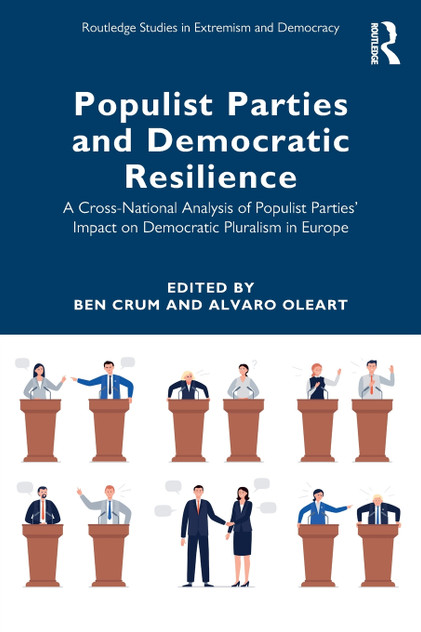
Populist Parties and Democratic Resilience focuses on populist parties as the main agents of populism and examines when these parties turn anti-democratic and when they remain loyal to the democratic...
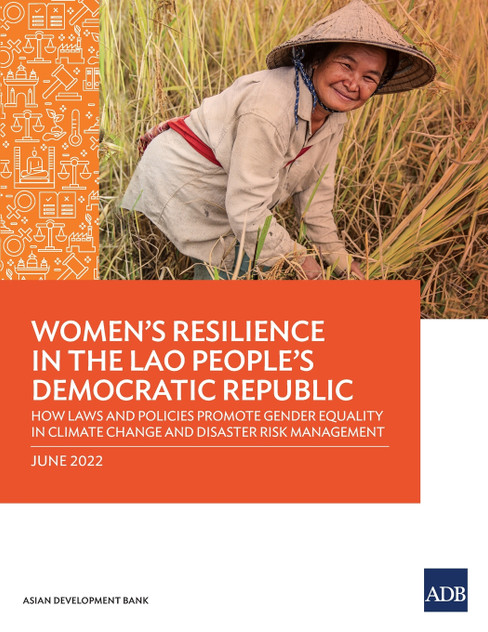
This report provides a gender analysis of national laws and policies in the Lao People's Democratic Republic to inform efforts to strengthen women's resilience to climate change and disasters...