In the nineteenth century, scientists were convinced that the North Pole was free of ice. This myth was fostered since the eighteenth century, when it was thought that ice came from rivers and mainly formed near coasts. Rivers supposedly carried into the north seas a prodigious amount of glaçons or 'ice cubes', which formed enormous masses of ice as they accumulated. This misconception led to an inaccurate climate theory that persisted until the beginning of the twentieth century: ice near a country's shores produces bitter cold in that country. This book, published in 1818, links the harsh winters of 1815-17 in England and Europe to the impressive amount of ice encountered at the same time in the Atlantic. The cold was thought to be caused by the break-up and southward drift of Arctic ice. It is attributed to the French meteorologist Antoine Aubriet, who was active in 1815-30.
Ce livre est le récit d'une expédition dans l'une des régions les plus inhospitalières de la planète. L'auteur, A. Hervé, et son compagnon de voyage, Ferdinand de Lanoye, ont décidé d'explorer les...
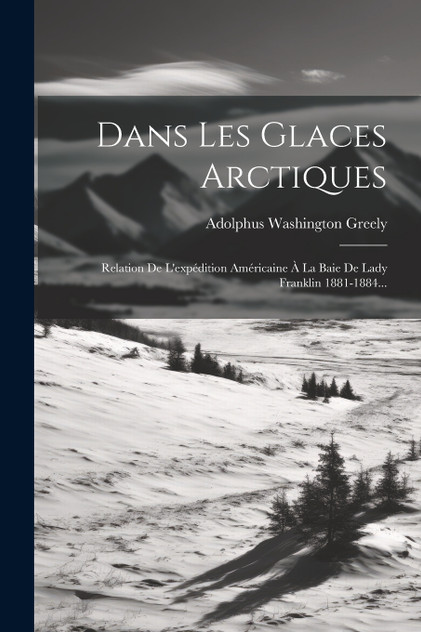
Ce livre raconte l'histoire d'une expédition américaine dans l'Arctique, qui a été lancée dans le but de découvrir le sort d'une expédition britannique qui avait disparu dans la région quelques...
Le cancer du sein est connu comme étant le cancer le plus répandu et le plus mortel chez les femmes. Il est soigné par différentes méthodes, dont la chirurgie, la radiographie et la chimiothérapie...