In this major contribution to the power debate, Clarissa Rile Hayward challenges the prevailing view which treats power as something powerful people have and use. Rather than seeing it as having a 'face', she considers power as a complex network of social boundaries - norms, identities, institutions - which define both the field of action and the individual's freedom within it, for the 'powerful' and 'powerless' alike. Hayward suggests that the critical analysis of power relations should focus on the ways these relationships affect people's capacities to help shape the institutions and practices which govern their lives. Using a detailed comparative analysis of the relationships within two ethnically diverse educational settings - one in a low-income, predominantly African-American, urban school, the other in an affluent, predominantly white, suburban school - this book develops a compelling account of the concept of power in terms of networks of practices and relations.
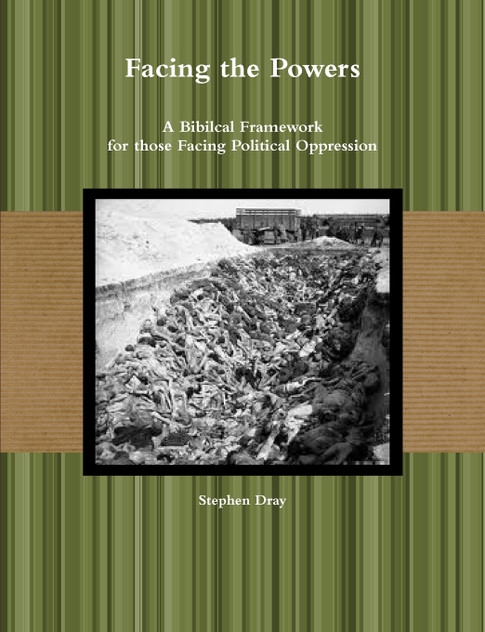
A scholarly exposition of the Hebrew text of Jonah and Nahum and the relevance of these two Old Tesatament prophets to those facing political oppression.
Why do our best-laid plans often over-reach and under-achieve? Why do our attempts to solve problems in some rational way often run afoul of politics and power? Why do we so often accomplish so...