Current Developments in Biological Nitrogen Fixation
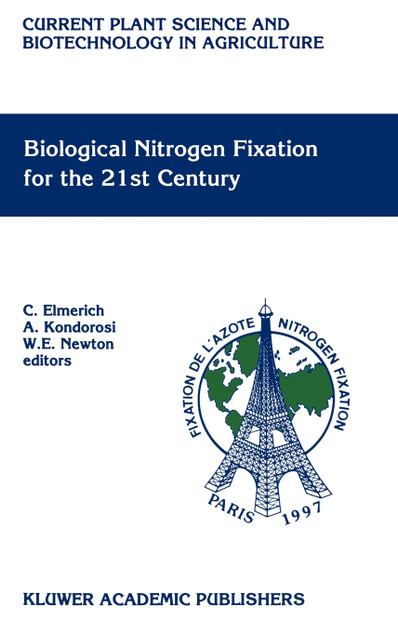
Concern over the depletion of world energy resources and the increase in the cost of nitrogen fertilizer has prompted considerable interest and research in biological nitrogen fixation. This volume discusses the most recent advances in the field, with chapters written by experts on the ecology, physiology, biochemistry and genetics of biological nitrogen fixation. Grain legumes, rice, sugar cane, sorghum and millet are all covered in the book. Some of the chapters particularly focus on the genetics and molecular biology of nitrogen fixing bacteria, and summarize the biotechnological strategies that are being applied in the hope of rendering plants self-sufficient with regard to nitrogen fertilization.
In the 100 years since the legume-Rhizobium symbiotic nitrogen fixation interaction was first described, interest in this field has grown rapidly. The types of studies have been cyclical in ...
Chemical fertilizers have had a significant impact on food production in the recent past, and are today an indispensable part of modern agriculture. On the other hand, the oil crisis of the 1970s...
Nitrogen availability is one of the most critical factors that limits plant productivity. The largest reservoir of nitrogen is the atmosphere, but this gaseous molecular nitrogen only becomes...
Biological nitrogen fixation (BNF) - the conversion of molecular nitrogen into ammonia - is one of the most important reactions in ecology and agriculture. It is performed exclusively by microbes...