This volume introduces a new concept, 'criterial features', for the learning, teaching and testing of English as a second language. The work is based on research conducted within the English Profile Programme at Cambridge University, using the Cambridge Learner Corpus. The authors address the extent to which learners know the grammar, lexicon and usage conventions of English at each level of the Common European Framework of Reference (CEFR). These levels are currently illustrated in functional terms with 'Can Do' statements. Greater specificity and precision can be achieved by using the tagged and parsed corpus, which enables researchers to identify criterial features of the CEFR levels, i.e. properties that are characteristic and indicative of L2 proficiency at each level. In practical terms, once criterial features have been identified, the grammatical and lexical properties of English can be presented to learners more efficiently and in ways that are appropriate to their levels.
English L2 Reading: Getting to the Bottom uses research-based insights to examine bottom-up skills in reading English as a second language. This fourth edition clearly presents core concepts...
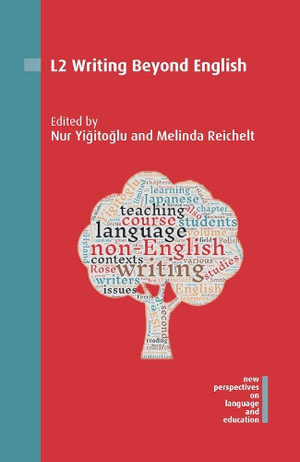
Most of what we know about writing in a second or foreign language (L2) is based on conclusions drawn from research on L2 writing in English. However, a significant quantity of L2 writing and writing...
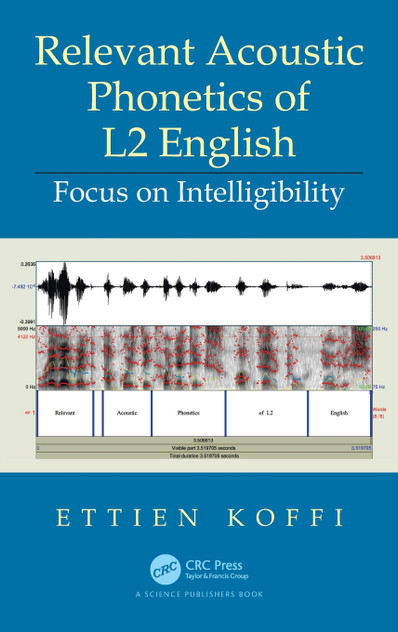
Intelligibility is the ultimate goal of human communication. However, measuring it objectively remained elusive until the 1940s when physicist Harvey Fletcher pioneered a psychoacoustic methodology...
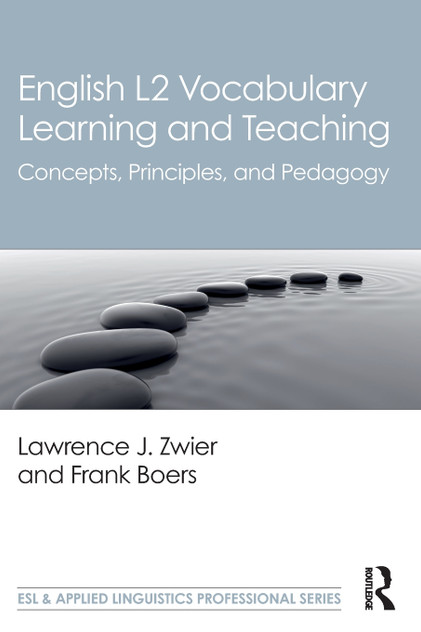
Accessible to experts and non-experts alike, this text is a comprehensive entry to teaching and learning vocabulary in ESL and EFL contexts. Firmly grounded in research, it presents frameworks and...
This book discusses ten grammatical items, with main focus on prepositions and plural nouns, to illustrate the structure of Japanese English or the English spoken by 32 Japanese nationals who are the...