Construing Cultural Heritage: The Stagings of an Artist
This study examines how an artist construed himself as cultural heritage by the turn of the 19th century, how this heritage was further construed after his death, and how the artworks can be made to further new approaches and insights through a digital archive (aroseniusarchive.se). The study employs the concept of 'staging' to capture the means used by the artist, as well as by reception, in this construal. The question of 'staging' involves not only how the artist has been called forth from the archives, but also how the artist can be called forth in new ways today through digitization. The study first elaborates on the theoretical framework through the aspects of mediation and agency, then explores how the artist was staged after his death. Finally, the artist's own means of staging himself are explored. Swedish painter Ivar Arosenius (1878-1909) is the case studied.
In this classic collection of fables, Phaedrus presents timeless lessons on life, morality, and human nature. Expertly translated into English, each tale offers its own unique insight into the human...
This is a reproduction of a book published before 1923. This book may have occasional imperfections such as missing or blurred pages, poor pictures,...
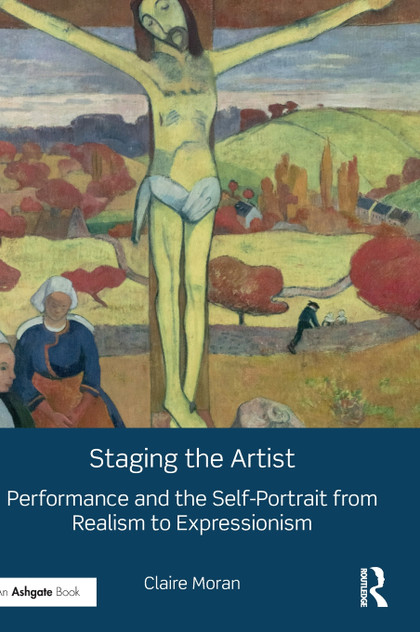
Restoring the role of theatrical performance as both subject and trope in the aesthetics of self-representation, Staging the Artist questions how nineteenth-century French and Belgian artists...