Trending Bestseller

Constantinople

Rebecca Stephens Falcasantos

No reviews yet Write a Review
Hardback
02-June-2020
$200.00
In Stock: Ships in 3-5 Days
Hurry up! Current stock:
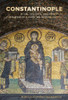
As Christian spaces and agents assumed prominent positions in civic life, the end of the long span of the fourth century was marked by large-scale religious change. Churches had overtaken once-thriving pagan temples, old civic priesthoods were replaced by prominent bishops, and the rituals of the city were directed toward the Christian God. Such changes were particularly pronounced in the newly established city of Constantinople, where elites from various groups contended to control civic and imperial religion.
Rebecca Stephens Falcasantos argues that imperial Christianity was in fact a manifestation of traditional Roman religious structures. In particular, she explores how deeply established habits of ritual engagement in shared social spaces—ones that resonated with imperial ideology and appealed to the memories of previous generations—constructed meaning to create a new imperial religious identity. By examining three dynamics—ritual performance, rhetoric around violence, and the preservation and curation of civic memory—she distinguishes the role of Christian practice in transforming the civic and cultic landscapes of the late antique polis.

This product hasn't received any reviews yet. Be the first to review this product!

$200.00
In Stock: Ships in 3-5 Days
Hurry up! Current stock:

Constantinople

$200.00

Description

As Christian spaces and agents assumed prominent positions in civic life, the end of the long span of the fourth century was marked by large-scale religious change. Churches had overtaken once-thriving pagan temples, old civic priesthoods were replaced by prominent bishops, and the rituals of the city were directed toward the Christian God. Such changes were particularly pronounced in the newly established city of Constantinople, where elites from various groups contended to control civic and imperial religion.
Rebecca Stephens Falcasantos argues that imperial Christianity was in fact a manifestation of traditional Roman religious structures. In particular, she explores how deeply established habits of ritual engagement in shared social spaces—ones that resonated with imperial ideology and appealed to the memories of previous generations—constructed meaning to create a new imperial religious identity. By examining three dynamics—ritual performance, rhetoric around violence, and the preservation and curation of civic memory—she distinguishes the role of Christian practice in transforming the civic and cultic landscapes of the late antique polis.

Customers Also Viewed