
Trending Bestseller

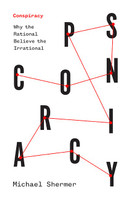
Conspiracy

No reviews yet Write a Review
Paperback / softback
30 January 2024
376 Pages
$40.83
Ships in 3-5 business days
Hurry up! Current stock:
"A well-written and essential tool for those navigating today's complicated geopolitical landscape."-Library Journal Best-selling author Michael Shermer presents an overarching theory of conspiracy theories-who believes them and why, which ones are real, and what we should do about them. Nothing happens by accident, everything is connected, and there are no coincidences: that is the essence of conspiratorial thinking. Long a fringe part of the American political landscape, conspiracy theories are now mainstream: 147 members of Congress voted in favor of objections to the 2020 presidential election based on an unproven theory about a rigged electoral process promoted by the mysterious group QAnon. But this is only the latest example in a long history of ideas that include the satanic panics of the 1980s, the New World Order and Vatican conspiracy theories, fears about fluoridated water, speculations about President John F. Kennedy's assassination, and the notions that the Sandy Hook massacre was a false-flag operation and 9/11 was an inside job. In Conspiracy, Michael Shermer presents an overarching review of conspiracy theories-who believes them and why, which ones are real, and what we should do about them. Trust in conspiracy theories, he writes, cuts across gender, age, race, income, education level, occupational status-and even political affiliation. One reason that people believe these conspiracies, Shermer argues, is that enough of them are real that we should be constructively conspiratorial: elections have been rigged (LBJ's 1948 Senate race); medical professionals have intentionally harmed patients in their care (Tuskegee); your government does lie to you (Watergate, Iran-Contra, and Afghanistan); and, tragically, some adults do conspire to sexually abuse children. But Shermer reveals that other factors are also in play: anxiety and a sense of loss of control play a role in conspiratorial cognition patterns, as do certain personality traits. This engaging book will be an important read for anyone concerned about the future direction of American politics, as well as anyone who's watched friends or family fall into patterns of conspiratorial thinking.

You Can Find This Book In

    Book Details
    ISBN-13
    9781421449074
    Author
    Michael Shermer
    Publisher
    JOHNS HOPKINS UNIVERSITY PRESS
    Published
    30 January 2024
    Format
    Paperback / softback
    Pages
    376

    This product hasn't received any reviews yet. Be the first to review this product!

    $40.83
    Ships in 3-5 business days
    Hurry up! Current stock:

    Conspiracy

    $40.83

    Description

    "A well-written and essential tool for those navigating today's complicated geopolitical landscape."-Library Journal Best-selling author Michael Shermer presents an overarching theory of conspiracy theories-who believes them and why, which ones are real, and what we should do about them. Nothing happens by accident, everything is connected, and there are no coincidences: that is the essence of conspiratorial thinking. Long a fringe part of the American political landscape, conspiracy theories are now mainstream: 147 members of Congress voted in favor of objections to the 2020 presidential election based on an unproven theory about a rigged electoral process promoted by the mysterious group QAnon. But this is only the latest example in a long history of ideas that include the satanic panics of the 1980s, the New World Order and Vatican conspiracy theories, fears about fluoridated water, speculations about President John F. Kennedy's assassination, and the notions that the Sandy Hook massacre was a false-flag operation and 9/11 was an inside job. In Conspiracy, Michael Shermer presents an overarching review of conspiracy theories-who believes them and why, which ones are real, and what we should do about them. Trust in conspiracy theories, he writes, cuts across gender, age, race, income, education level, occupational status-and even political affiliation. One reason that people believe these conspiracies, Shermer argues, is that enough of them are real that we should be constructively conspiratorial: elections have been rigged (LBJ's 1948 Senate race); medical professionals have intentionally harmed patients in their care (Tuskegee); your government does lie to you (Watergate, Iran-Contra, and Afghanistan); and, tragically, some adults do conspire to sexually abuse children. But Shermer reveals that other factors are also in play: anxiety and a sense of loss of control play a role in conspiratorial cognition patterns, as do certain personality traits. This engaging book will be an important read for anyone concerned about the future direction of American politics, as well as anyone who's watched friends or family fall into patterns of conspiratorial thinking.

    You Can Find This Book In

      This Book Is Categorised As