The Zheng family of merchants and militarists emerged from the tumultuous seventeenth century amid a severe economic depression, a harrowing dynastic transition from the ethnic Chinese Ming to the Manchu Qing, and the first wave of European expansion into East Asia. Under four generations of leaders over six decades, the Zheng had come to dominate trade across the China Seas. Their average annual earnings matched, and at times exceeded, those of their fiercest rivals: the Dutch East India Company. Although nominally loyal to the Ming in its doomed struggle against the Manchus, the Zheng eventually forged an autonomous territorial state based on Taiwan with the potential to encompass the family's entire economic sphere of influence. Through the story of the Zheng, Xing Hang provides a fresh perspective on the economic divergence of early modern China from western Europe, its twenty-first-century resurgence, and the meaning of a Chinese identity outside China.
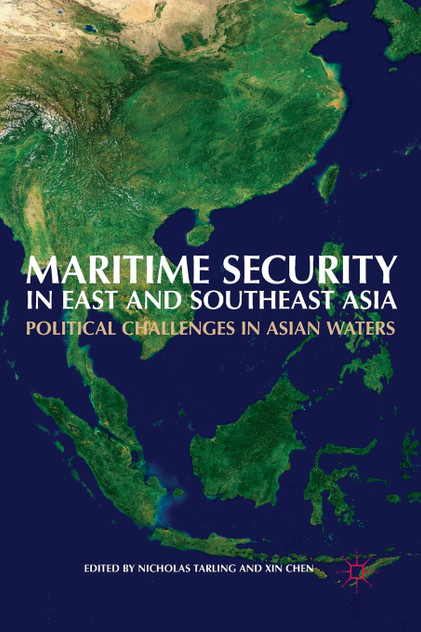
This volume investigates the nature of threats facing, or perceived as facing, some of the key players involved in Asian maritime politics. The articles in this collection present case studies on...
Many of the maritime disputes today represent a competing interest of two groups: coastal states and user states. This edited volume evaluates the role of the United Nations Convention on the Law of...
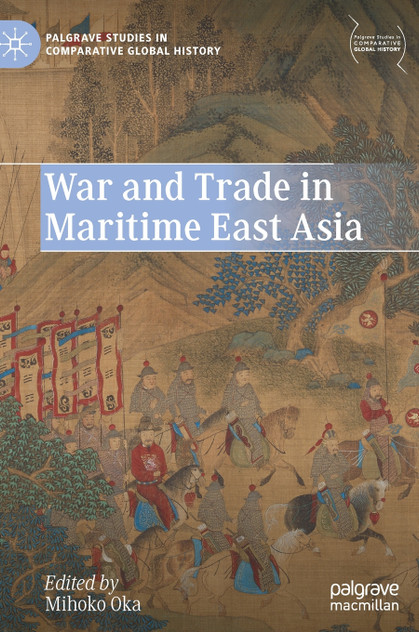
This book is divided into two parts. One is the state of trade in East Asia before and after the collapse of the tributary system to the Ming Dynasty, and the other is the war of aggression in...
Preface - Acknowledgements - Notes on Contributers - The Sino-Japanese Commercial Treaty of 1896; W.G.Beasley - Tanaka Diplomacy and its Pro-British Orientation 1927-1929; H.Chihiro - The Road to...