Computer simulation is an indispensable research tool in modeling, understanding and predicting nanoscale phenomena. However, the advanced computer codes used by researchers are too complicated for graduate students wanting to understand computer simulations of physical systems. This book gives students the tools to develop their own codes. Describing advanced algorithms, the book is ideal for students in computational physics, quantum mechanics, atomic and molecular physics, and condensed matter theory. It contains a wide variety of practical examples of varying complexity to help readers at all levels of experience. An algorithm library in Fortran 90, available online at www.cambridge.org/9781107001701, implements the advanced computational approaches described in the text to solve physical problems.
This book provides innovative chapters covering new methodologies and important applications in the fields of nanoscience and computational chemistry. The book offers scope for academics,...
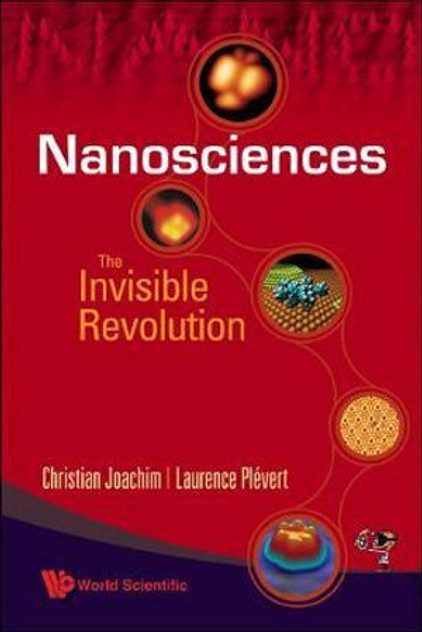
The nanosciences and their companion nanotechnologies are a hot topic all around the world. For some, they promise developments ranging from nanobots to revolutionary new materials. For others, they...
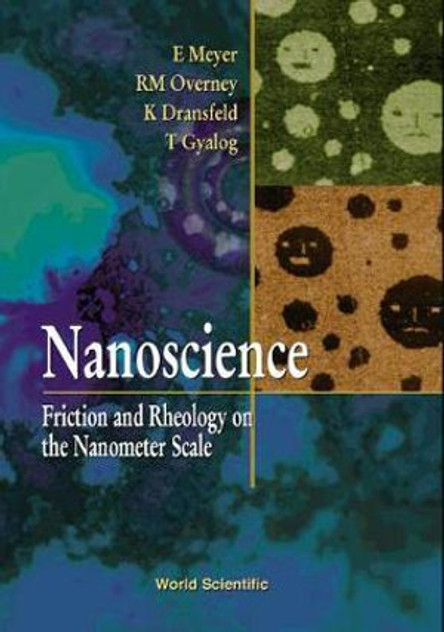
Friction force microscopy is an important analytical tool in the field of tribology on the nanometer-scale. The contact area between the probing tip and the sample is reduced to some square...