
While living in India for sixteen years, James Robert Ballantyne (1813-64) taught oriental languages to Indian pupils and became fascinated by Hindu philosophy, seeking to harmonise it with the Western tradition. He produced grammars of Hindi, Sanskrit and Persian, translations of Indian linguistics, and a science primer in English and Sanskrit (also reissued in the Cambridge Library Collection). Intended for the Tyro missionary and published in 1859, this work offers a summary of Hinduism (covering the Nyaya, Sankhya and Vedanta schools) and argues for the truth of Christianity, while acknowledging certain shared ideas. It contains a facing Sanskrit translation (with redactions of parts considered to be of no importance to 'those whom the missionary has to teach'). A valuable primary source for scholars of orientalism, this work helps to illuminate the religious dimensions of British imperialism.
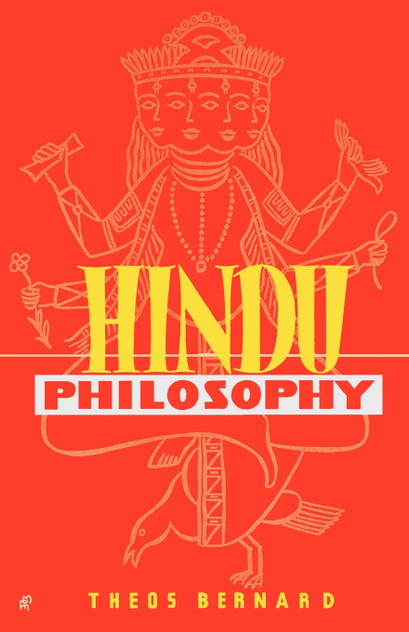
Who were India’s foremost thinkers? What systems did they establish? What problems have agitated the minds of India’s philosophers, intellectuals and mystics? Tersely and in pleasing style Dr...
Christianity Explained to a Hindu is an unchanged, high-quality reprint of the original edition of 1893.Hansebooks is editor of the literature on different topic areas such as research and science,...
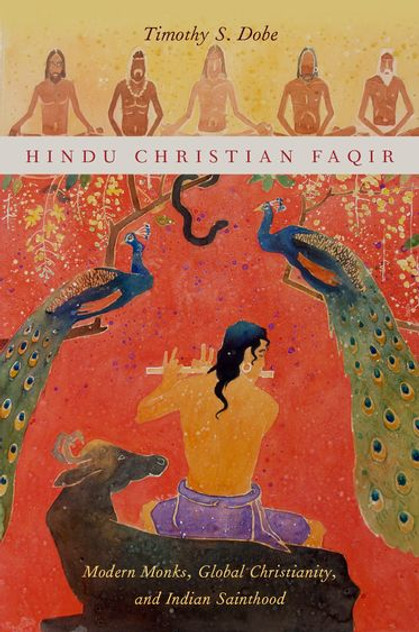
In the mid-nineteenth century, the American missionary James Butler predicted that Christian conversion and British law together would eradicate Indian ascetics. His disgust for Hindu holy men...
This work has been selected by scholars as being culturally important and is part of the knowledge base of civilization as we know it.This work is in the public domain in the United States of...