Child Slavery and Guardianship in Colonial Senegal
In the immediate aftermath of the French abolition of slavery in 1848, many previously enslaved children suddenly became wards of the colonial state. The colonial administration in Senegal created an institution called tutelle, a form of guardianship or wardship, that aimed both to prevent the loss of labor from liberated minors and to safeguard the children's welfare. Drawing from extensive archival research, Bernard Moitt uncovers the stories of these liberated children who were entrusted to Africans, Europeans, institutions like orphanages, Catholic orders and the military, and, often, their former owners. While the literature on servitude in French West Africa has primarily focused on the period before 1848, Moitt demonstrates that tutelle allowed slavery to persist under another name, with children continuing to be subject to the same widespread labor exploitation and abuse. Using a range of rich case studies, this book offers new insights into the emancipation of enslaved people in Senegal, the tenacity of servility, and children's agency.
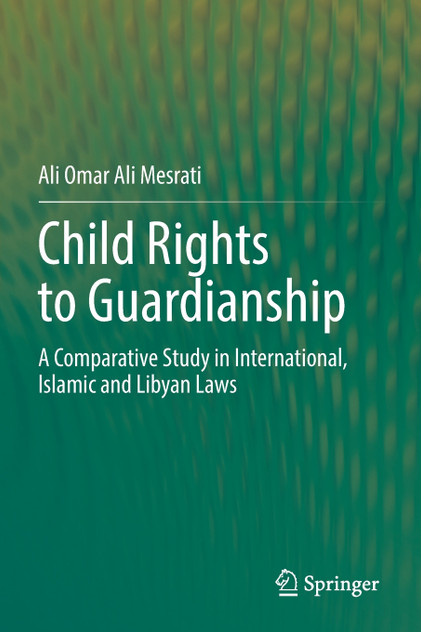
This book examines how local cultures affect the interpretation of international human rights law. This book explores the Islamic legal system in its approach to the concept of guardianship and, more...
Jacob Gorender's (1923-2013) 1978 book, Colonial Slavery (O Escravismo Colonial), comes alive for English language readers thanks to Bernd Reiter and Alejandro Reyes's brilliant translation.Gorender...
This discourse provides a stirring condemnation of colonial slavery and a call to action to end this abhorrent practice. John Nelson Goulty and Richard Clay make a compelling case for abolition,...
This work has been selected by scholars as being culturally important, and is part of the knowledge base of civilization as we know it. This work was reproduced from the original artifact, and...