Central Africans and Cultural Transformations in the American Diaspora
This book, first published in 2001, sets out a paradigm that increases our understanding of African culture and the forces that led to its transformation during the period of the Atlantic slave trade and beyond, putting long over-due emphasis on the importance of Central African culture to the cultures of the United States, Brazil, and the Caribbean. Focusing on the Kongo/Angola culture zone, the book illustrates how African peoples re-shaped their cultural institutions, beliefs and practices as they interacted with Portuguese slave traders up to 1800, then follows Central Africans through all the regions where they were taken as slaves and recaptives. Here, for the first time in one volume, leading scholars of Africa, Brazil, Latin America and the Caribbean have collaborated to analyze the culture history of Africa and its diaspora. This interdisciplinary approach across geographic areas is sure to set a precedent for other scholars of Africa and its diaspora.
This provocative volume investigates the origins of contemporary African American Vernacular English (AAVE), one of the oldest, yet unsolved, questions in sociolinguistics.
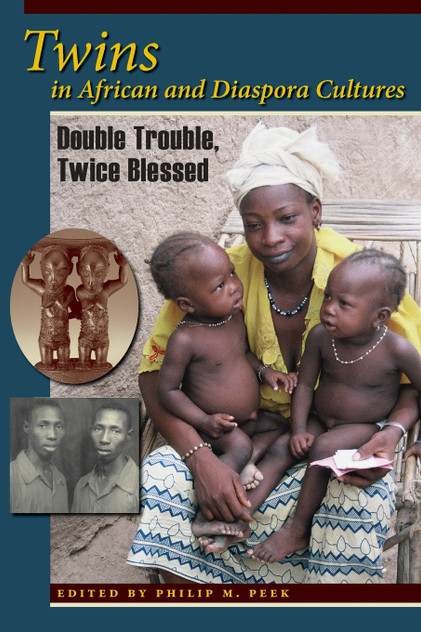
In Africa, where the birthrate of twins is among the highest in the world, twins can be seen as a burden to their families and a threat to the social order, or they can be seen as a gift from God and...
There is extensive research found both in books and articles on the various topics of Afro Latinism/Afro Hispanism that is directed mainly at the non-native. Nonetheless, one still notices either...
Religion, Culture and Spirituality in Africa and the African Diaspora explores the ways in which religious ideas and beliefs continue to play a crucial role in the lives of people of African descent...
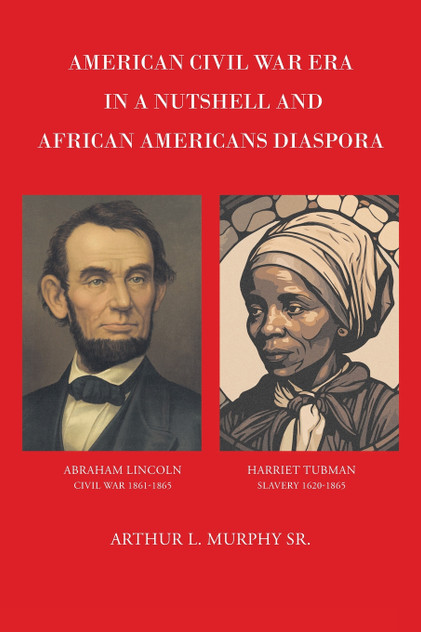
American Civil War Era 1861-1865, African American Diaspora 1619-1865. Thirteenth, Fourteenth, and Fifteenth Amendments to the Constitution of the United States, Lincoln signed the Emancipation...