This book looks at why it's so difficult to create 'the rule of law' in post-conflict societies such as Iraq and Afghanistan, and offers critical insights into how policy-makers and field-workers can improve future rule of law efforts. A must-read for policy-makers, field-workers, journalists and students trying to make sense of the international community's problems in Iraq and elsewhere, this book shows how a narrow focus on building institutions such as courts and legislatures misses the more complex cultural issues that affect societal commitment to the values associated with the rule of law. The authors place the rule of law in context, showing the interconnectedness between the rule of law and other post-conflict priorities, such as reestablishing security. The authors outline a pragmatic, synergistic approach to the rule of law which promises to reinvigorate debates about transitions to democracy and post-conflict reconstruction.
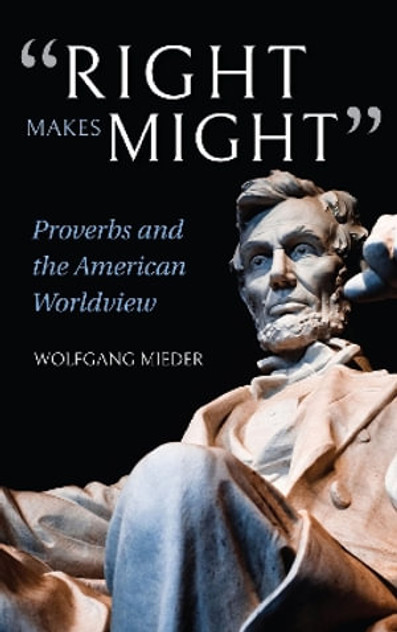
In 1860 Abraham Lincoln employed the proverb, Right makes might, (opposite of the more aggressive Might makes right) in his famed Cooper Union address. While Lincoln did not originate the proverb,...
Why do great powers accommodate the rise of some challengers but contain and confront others, even at the risk of war? When Right Makes Might proposes that the ways in which a rising power...
Suppose the 1940 Democratic Convention refused to accept Wallace as FDR's running mate? It almost happened! Here, it does.The Kenner family follows anxiously, debating who to support. The new...