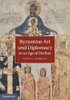
The Late Byzantine period (1261-1453) is marked by a paradoxical discrepancy between economic weakness and cultural strength. The apparent enigma can be resolved by recognizing that later Byzantine diplomatic strategies, despite or because of diminishing political advantage, relied on an increasingly desirable cultural and artistic heritage. This book reassesses the role of the visual arts in this era by examining the imperial image and the gift as reconceived in the final two centuries of the Byzantine Empire. In particular it traces a series of luxury objects created specifically for diplomatic exchange with such courts as Genoa, Paris and Moscow alongside key examples of imperial imagery and ritual. By questioning how political decline refigured the visual culture of empire, Cecily J. Hilsdale offers a more nuanced and dynamic account of medieval cultural exchange that considers the temporal dimensions of power and the changing fates of empires.
This monograph offers a concise and detailed overview of some remarkable recent discoveries of Byzantine ceramic art in and around Constantinople. Henry Wallis is a leading expert in the field, and...
Inside the greatest diplomatic negotiations of the past 50 years
In one readable volume, diplomat and negotiator Stuart E. Eizenstat covers every major contemporary international agreement, from the...