Michael Schoenfeldt's fascinating study explores the close relationship between selves and bodies, psychological inwardness and corporeal processes, as they are represented in early modern English literature. After Galen, the predominant medical paradigm of the period envisaged a self governed by humors, literally embodying inner emotion by locating and explaining human passion within a taxonomy of internal organs and fluids. It thus gave a profoundly material emphasis to behavioural phenomena, giving the poets of the period a vital and compelling vocabulary for describing the ways in which selves inhabit and experience bodies. In contrast to much work on the body which has emphasized its exuberant 'leakiness' as a principal of social liberation amid oppressive regimes, Schoenfeldt establishes the emancipatory value that the Renaissance frequently located not in moments of festive release, but in the exercise of regulation, temperance and self-control.
In early modern English medicine, the balance of fluids in the body was seen as the key to health. Menstruation was widely believed to regulate the blood level in the female body and so was...
It studies 17th century texts which distinctions between the natural and the artificial interfold. It examines how 4 writers theorized bodies and objects as characters in sometimes scenarios...
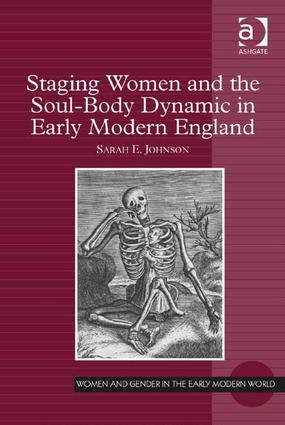
This volume examines early modern representations of women's reproductive knowledge through new readings of plays, monstrous birth pamphlets, medical treatises, court records, histories, and more,...