This book, first published in 2005, opens up the much neglected area of the black African presence in Western Europe during the Renaissance. Covering history, literature, art history and anthropology, it investigates a whole range of black African experience and representation across Renaissance Europe, from various types of slavery to black musicians and dancers, from real and symbolic Africans at court to the view of the Catholic Church, and from writers of African descent to black African 'criminality'. The main purpose of the collection is to show the variety and complexity of black African life in fifteenth- and sixteenth-century Europe, and how it was affected by firmly held preconceptions relating to the African continent and its inhabitants. Of enormous importance for both European and American history, this book mixes empirical material and theoretical approaches, and addresses such issues as stereotypes, changing black African identity, and cultural representation in art and literature.
The presence of Blacks in a number of European societies has drawn increasing interest from scholars, policymakers, and the general public. This interdisciplinary and multi-disciplinary collection...
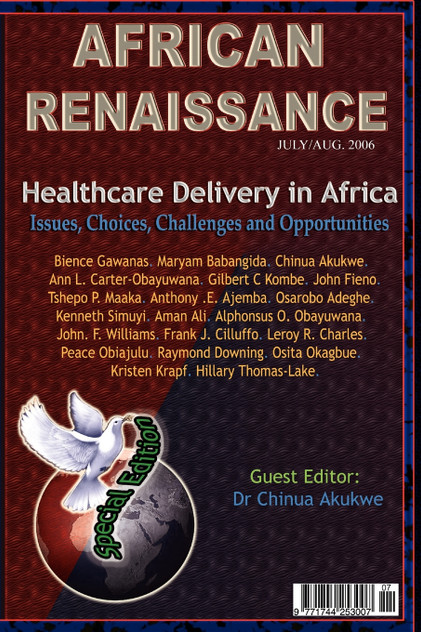
The contributors address various aspects of the challenges and opportunities of healthcare delivery in Africa. Chinua Akukwe, in an overview article, articulates reasons for a renewed focus on...
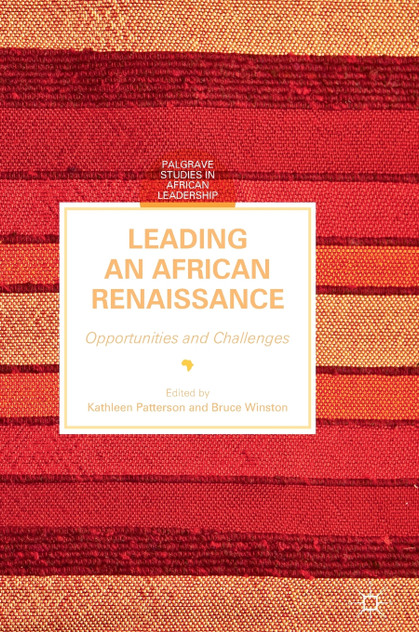
This book looks at the challenges and possibilities facing leadership in Africa today by providing a rich history of the continent, the complexities the continent has experienced, and the great hope...