The 'racial state' has become a familiar shorthand for the Third Reich, encapsulating its raison d'être, ambitions, and the underlying logic of its genocidal violence. The Nazi racial state's agenda is generally understood as a fundamental reshaping of society based on a new hierarchy of racial value. However, this volume argues that it is time to reappraise what race really meant under Nazism, and to question and complicate its relationship to the Nazis' agenda, actions, and appeal. Based on a wealth of new research, the contributors show that racial knowledge and racial discourse in Nazi Germany were far more contradictory and disparate than we have come to assume. They shed new light on the ways that racial policy worked and was understood, and consider race's function, content, and power in relation to society and nation, and above all, in relation to the extraordinary violence unleashed by the Nazis.
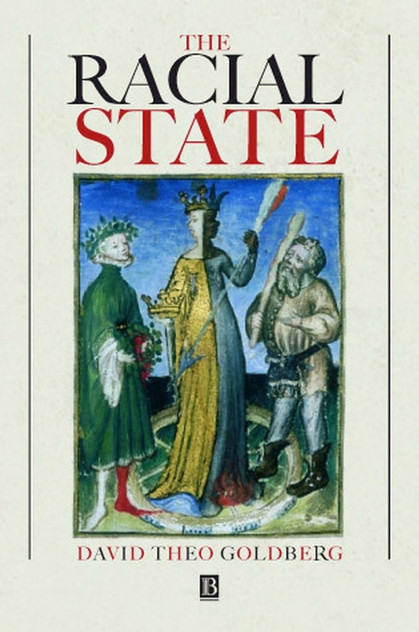
The Racial State argues that race is integral to the conceptual, philosophical and material emergence of modern nation state formation, and to its ongoing management.
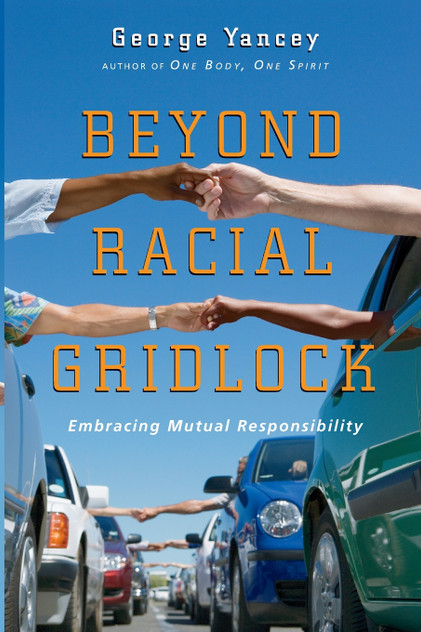
Sociologist George Yancey critiques four models of race (colorblindness, Anglo-conformity, multiculturalism and white responsibility), and introduces a new model (mutual responsibility). He offers...
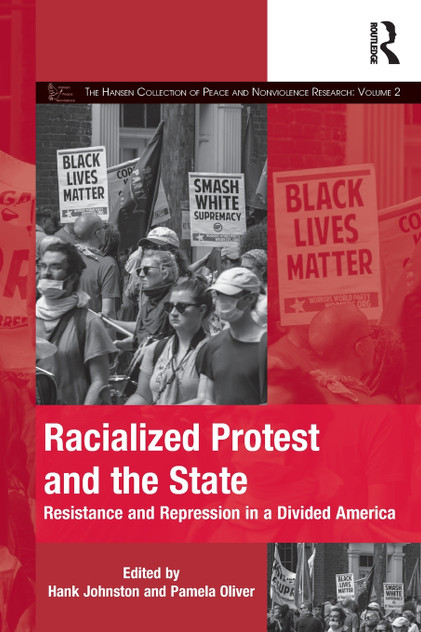
Bringing together leading scholars of social movements and protest, this volume offers an up-to-date overview of several of the key ethnic and racial movements in the contemporary United States. The...
Twenty years since the publication of the Second Edition and more than thirty years since the publication of the original book, Racial Formation in the United States now arrives with each chapter...