The belly is today a matter of much concern. Modern cultures, particularly in the West, have developed means to cultivate this part of the body: corsets, exercises, revealing fashions. In this compelling exploration of the 'belly' motif, Karl Olav Sandnes asks whether St Paul might be addressing a culture in which the stomach is similarly high on the agenda. The result is a surprising new insight into his writings. Paul twice mentions the enigmatic phrase 'belly-worship' (Phil 3; Rom 16). The proper context for these texts is the moral philosophy debate about mastering the desires, and the reputation of Epicurus' philosophy as promoting indulgence. The belly became a catchword for a life controlled by pleasures. Belly-worship was not only pejorative rhetoric, but developed from Paul's conviction that the body was destined to a future with Christ.
Many readers may agree with Peter in his second epistle, that Paul's letters are "hard to understand" and easily distort (3:15-16, NIV). But as David Ackerman in this latest Reading and...
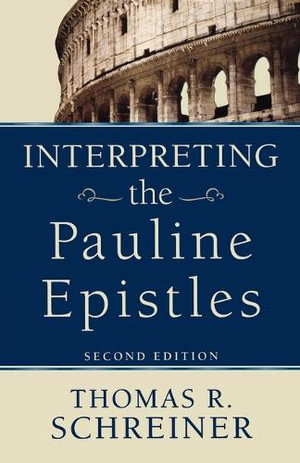
Leading Pauline-studies expert Thomas Schreiner provides an updated guide to the exegesis of the New Testament epistles traditionally assigned to Paul. The first edition helped thousands of students...
Weiss examines the scholarly debate surrounding the authenticity of the letters attributed to Paul in the New Testament. Drawing on historical and textual analysis, Weiss provides a detailed...
This is a reproduction of a book published before 1923. This book may have occasional imperfections such as missing or blurred pages, poor pictures, errant marks, etc. that were either part of the...