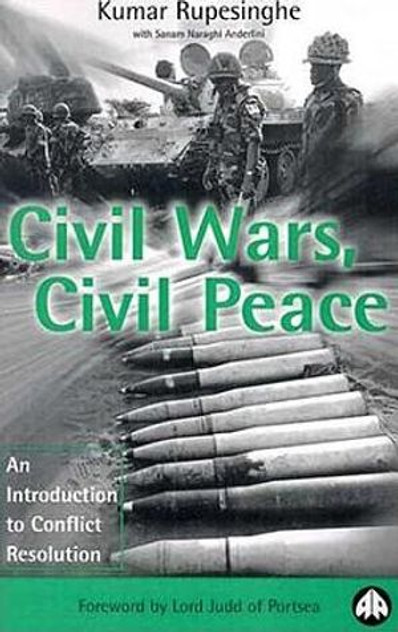
Civil wars vary greatly in their duration. This book argues that conflicts are longer when they involve more actors who can block agreement (veto players) and identifies specific problems that arise in multi-party bargaining. Quantitative analysis of over 200 civil wars since World War II reveals that conflicts with more of these actors last much longer than those with fewer. Detailed comparison of negotiations in Rwanda and Burundi demonstrates that multi-party negotiations present additional barriers to peace not found in two party conflicts. In addition, conflicts with more veto players produce more casualties, are more likely to involve genocide and are followed by shorter periods of peace. Because they present many barriers to peace, the international community has a poor track record of resolving multi-party conflicts. David Cunningham shows that resolution is possible in these wars if peace processes are designed to address the barriers that emerge in multi-party conflicts.
In recent years the terms "genocide" and "ethnic cleansing" have not only re-entered the common vocabulary, but seem now to be tolerated and accepted as the "inevitable" consequences of the wars and...
This book examines whether partition is an effective means to resolve ethnic and sectarian civil wars. It argues that partition is unlikely to end ongoing ethnosectarian civil wars, but it can...
In recent years, a burgeoning literature has explored the strategic advantages of using nonviolent resistance to achieve positive political outcomes, such as regime change and democratization. Yet,...
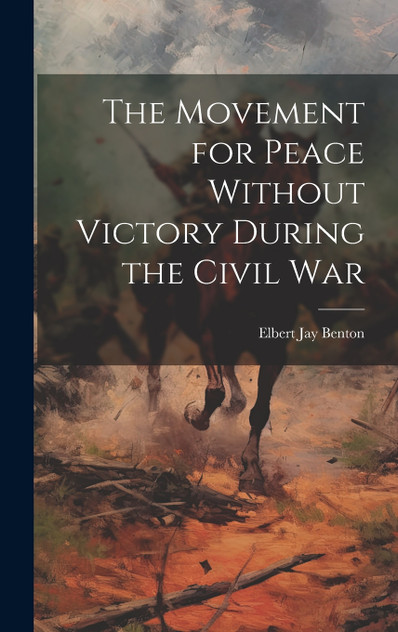
This book chronicles the movement to end the Civil War without a clear victory for either side, with a focus on the anti-war sentiment that developed in the North. Benton analyzes the political and...