Because of their complexity, the new generation of genetically engineered protein drugs can only be made by biotechnological methods, using cultures of animal cells. This book covers all aspects of the technologies needed to turn animal cells into an acceptable and cost-effective tool for drug production. This includes modifying them genetically so that they produce the right product in high yield, getting them to grow reproducibly on an industrial scale, and extracting the required product from them. It also covers biological safety issues, and the verification of the chemical and biological nature of the protein drug produced. The work covers developments in all of these areas and how they all need to be integrated for the design of an effective biotechnological production process. It therefore provides a comprehensive guide to this area of biotechnology.
This new edition brings together some of the latest developments and protocols reflecting the rapidity with which bioreactor technologies are advancing and being applied. Given that the use of...
The authors offer novel insights into bioreactor-based culture systems specific for tissue engineering, including sophisticated and cost-effective manufacturing strategies geared to overcome...
Micro-bioreactors offer unique opportunities to study biological systems under fluidic conditions. The concept of micro-bioreactors suggests that biological reaction conditions at a large scale can...
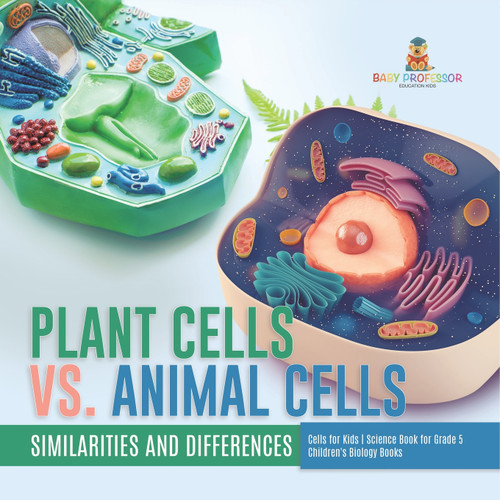
It is possible to differentiate plant and animal cells by knowing what to look for. The first chapter of this book will focus on the cell theory. Chapter two will focus on the structures of animal...