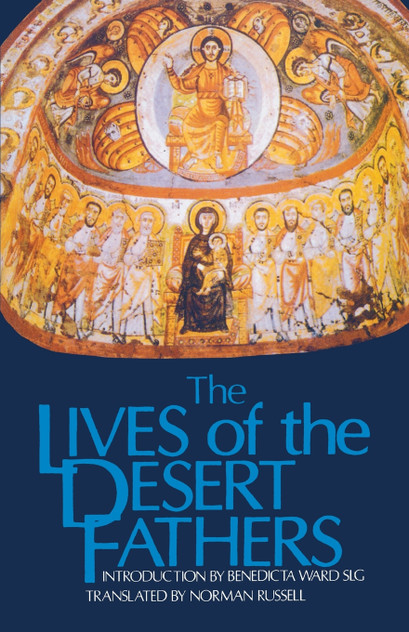
Christian monasticism emerged in the Egyptian deserts in the fourth century AD. This introduction explores its origins and subsequent development and what it aimed to achieve, including the obstacles that it encountered; for the most part making use of the monks' own words as they are preserved (in Greek) primarily in the so-called Sayings of the Desert Fathers. Mainly focussing on monastic settlements in the Nitrian Desert (especially at Scêtê), it asks how the monks prayed, ate, drank and slept, as well as how they discharged their obligations both to earn their own living by handiwork and to exercise hospitality. It also discusses the monks' degree of literacy, as well as women in the desert and Pachomius and his monasteries in Upper Egypt. Written in straightforward language, the book is accessible to all students and scholars, and anyone with a general interest in this important and fascinating phenomenon.
This work has been selected by scholars as being culturally important, and is part of the knowledge base of civilization as we know it. This work was reproduced from the original artifact, and...
This work has been selected by scholars as being culturally important, and is part of the knowledge base of civilization as we know it.This work is in the "public domain in the United States of...
Be inspired by the writings of ordinary Christians who chose to renounce the world in order to individually follow God's call. Insightful commentary and historical background illustrates how you can...
In the year 394 seven monks from Palestine made a difficult journey through the Egyptian desert, drawn there by stories of remarkable men. What they found in the communities living far up the Nile...