Social and political theorists have traced in detail how individuals come to possess gender, sex and racial identities. This book examines the nature of these identities. Georgia Warnke argues that identities, in general, are interpretations and, as such, have more in common with textual understanding than we commonly acknowledge. A racial, sexed or gendered understanding of who we and others are is neither exhaustive of the 'meanings' we can be said to have nor uniquely correct. We are neither always, or only, black or white, men or women or males or females. Rather, all identities have a restricted scope and can lead to injustices and contradictions when they are employed beyond that scope. In concluding her argument, Warnke considers the legal and policy implications that follow for affirmative action, childbearing leave, the position of gays in the military and marriage between same-sex partners.
This book examines the lives and repartnering behaviour of former spouses and co-habitees, groups pivotal to recent marital change. Focusing on contemporary Britain, it examines these people's...
Exploring themes of identity and development in the post-Ottoman Arab world, this book updates the author's earlier Islamic Identity and Development (Routledge, 1990) to analyse the root causes of...
An injury to the brain can affect virtually any aspect of functioning and, at the deepest level, can alter sense of self or the essential qualities that define who we are. In recent years, there has...
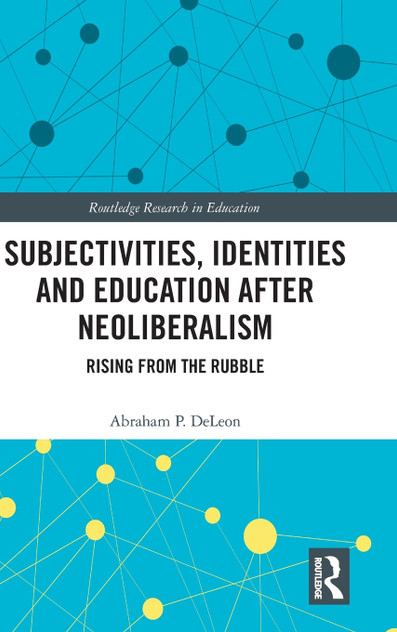
In this book, DeLeon presents a critique of neoliberalism and present times through a metaphor of social collapse and considers what remains once the dust has settled for a different kind of person...