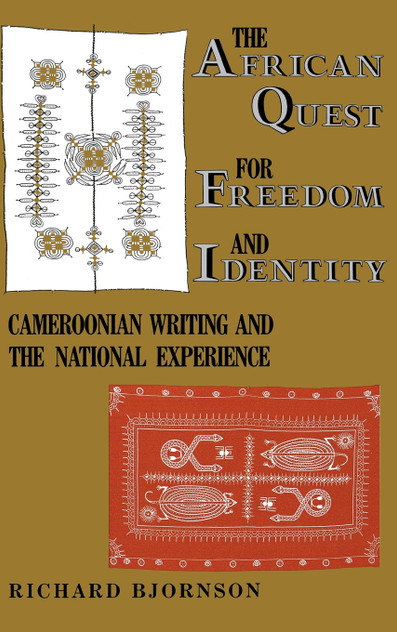
The push for independence in African nations was ultimately an incomplete process, with the people often left to wrestle with a partial, imperfect legacy. Rather than settle for liberation in name alone, the people engaged in an ongoing struggle for meaningful freedom. Phyllis Taoua shows how the idea of freedom in Africa today evolved from this complex history. With a pan-African, interdisciplinary approach, she synthesizes the most significant issues into a clear, compelling narrative. Tracing the evolution of a conversation about freedom since the 1960s, she defines three types and shows how they are interdependent. Taoua investigates their importance in key areas of narrative interest: the intimate self, gender identity, the nation, global capital, and the spiritual realm. Allowing us to hear the voices of African artists and activists, this compelling study makes sense of their struggle and the broad importance of the idea of freedom in contemporary African culture.
Elisa Joy White investigates the contemporary African Diaspora communities in Dublin, New Orleans, and Paris and their role in the interrogation of modernity and social progress. Beginning with an...
Read about Frederick Douglass and Sojourner Truth, African American leaders and abolitionists. Although they did not personally know each other when they were alive, they fought for the same cause...
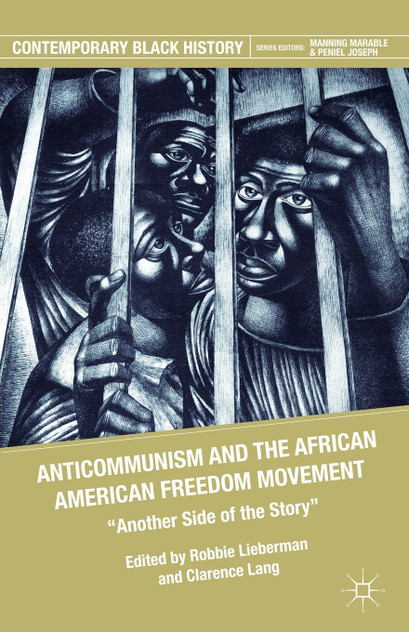
The original essays in this book highlight the destructive impact of McCarthyism on the African American Freedom Movement. Recovering little-known stories of black radical activism, they challenge...