Gail Marshall argues that the professional and personal history of the Victorian actress was largely defined by her negotiation with the sculptural metaphor, and that this was authorized and determined by the Ovidian myth of Pygmalion and Galatea. Drawing on evidence of theatrical fictions, visual representations and popular culture's assimilation of the sculptural image, as well as theatrical productions, she examines some of the manifestations of the sculptural metaphor on the legitimate English stage, and its implications for the actress in the later nineteenth century. Within the legitimate theatre, the 'Galatea-aesthetic' positioned actresses as predominantly visual and sexual commodities whose opportunities for interpretative engagement with their plays were minimal. This dominant aesthetic was effectively challenged only at the end of the century, with the advent of the 'New' drama, and the emergence of a body of autobiographical writings by actresses.
Victorian touring actresses brings new attention to women's experience of working in nineteenth-century theatre by focusing on a diverse group of largely forgotten 'mid-tier' performers, rather than...
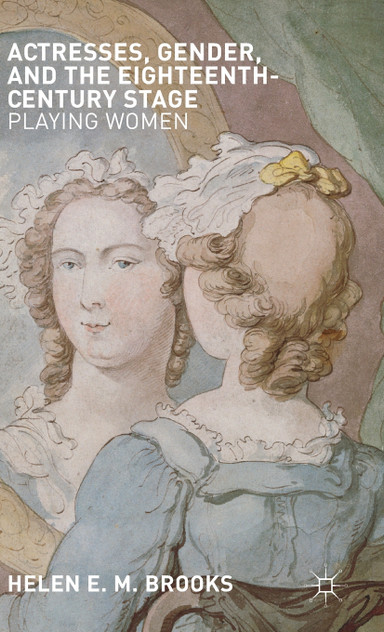
Over the course of the eighteenth century notions of what it meant to be a woman changed radically. Through examining the work of actresses including Anne Oldfield, Peg Woffington, Dora Jordan, and...
This is an EXACT reproduction of a book published before 1923. This IS NOT an OCR'd book with strange characters, introduced typographical errors, and jumbled words. This book may have occasional...
This work has been selected by scholars as being culturally important, and is part of the knowledge base of civilization as we know it.This work is in the "public domain in the United States of...