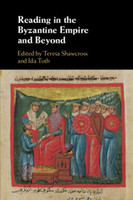
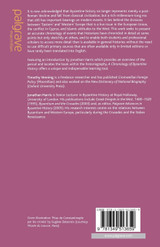
Offering a comprehensive introduction to the history of books, readers and reading in the Byzantine Empire and its sphere of influence, this volume addresses a paradox. Advanced literacy was rare among imperial citizens, being restricted by gender and class. Yet the state's economic, religious and political institutions insisted on the fundamental importance of the written record. Starting from the materiality of codices, documents and inscriptions, the volume's contributors draw attention to the evidence for a range of interactions with texts. They examine the role of authors, compilers and scribes. They look at practices such as the close perusal of texts in order to produce excerpts, notes, commentaries and editions. But they also analyse the social implications of the constant intersection of writing with both image and speech. Showcasing current methodological approaches, this collection of essays aims to place a discussion of Byzantium within the mainstream of medieval textual studies.
This work provides a clear and comprehensive chronology of the Eastern Roman Empire from the foundation of Constantinople in 324 AD to the extinction of the last Byzantine principality in 1461 AD,...
""History of the Byzantine Empire: From 716 to 1057"" is a book written by George Finlay in 1906. The book provides a comprehensive account of the Byzantine Empire during the period of 716 to 1057...
This work has been selected by scholars as being culturally important, and is part of the knowledge base of civilization as we know it.This work is in the "public domain in the United States of...
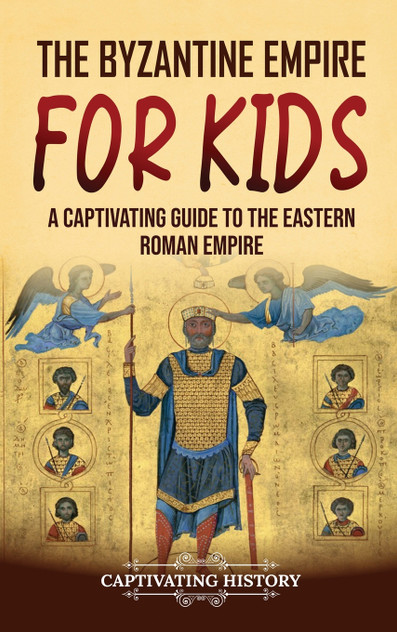
How does the Byzantine Empire, which fell in 1453, still apply to us today?Many of us do not know much about the Byzantine Empire; it lived on in the East after the Roman Empire fell, but its...